Dr. Yin's Animal Behavior and Medicine Blog
Dog Bite Prevention: How Kids and Adults Should Greet Dogs Safely
Posted On: Thursday, June 4th, 2009
Sophia Yin, DVM, MS June 20, 2009
The Center for Disease Control estimates that 4.7 million Americans are bitten by dogs every year. Nearly 20% of those bitten seek medical attention and approximately 1000 victims per day require a visit to the hospital emergency room. Of those bitten the most at risk are kids between 6-9 years of age. One way to prevent bites is for kids to learn how to greet and interact appropriately with dogs.
The underlying cause:
First off it's important for kids and adults to realize that some dogs are afraid of or uncomfortable with unfamiliar people. When we approach them we think we look pretty normal and friendly, but to some dogs we look like someone wearing a scary mask.
Then people tend to reach out so that the dog can sniff their hand, and now they look even more
threatening. At this point some dogs may feel like they need to defend themselves by biting.
Other dogs may only be slightly fearful of humans but may be more introverted and less tolerant of impolite greetings. Kids know what types of greeting are impolite. For instance, most kids don't like it when unfamiliar adults walk up to them and pat them on the head or pinch their cheeks. And they may feel comfortable shaking an unfamiliar adult's hand but if that stranger then hugged them they might become very scared.
Three Tips for Greeting Unfamiliar Dogs
• First ask the dog's owner if you can pet their dog. Hopefully the owner will know whether their dog likes children and unfamiliar adults.
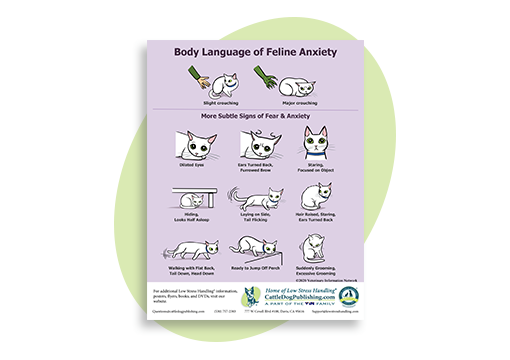
• Next ask that dog. That is, look to see if the dog wants to be petted. Stand outside the dog's personal space so you appear non-threatening. For small dogs, get down at their level but without staring or leaning towards them. Then talk in a happy voice while extending the back of your closed hand out just a little—not into their face— and see if they approach. If they look relaxed and approach you then you can pet them, first under the chin. If they look aloof, or show signs of anxiety such as yawning, panting when not hot, drooling when there's not food, turning or moving away, placing their ears back or to the side, furrowing their brow, then they are anxious and should be admired only from a distance.
• Even if the dog seems very friendly NEVER hug an unfamiliar dog. While some dogs tolerate hugging, most do not like it and will even feel threatened. If people—both familiar or unfamiliar– harass them by hugging them against their will, they can learn to become more and more reactive when they suspect that people may try to hug them.
Avoid reaching for the dog: This dog backs away when the person reaches for him. Some dogs will back away, others will bite. Sound puzzling to you? Imagine if you were afraid of spiders. You would not want one to reach out and try to touch you. You would want to approach at your own rate.
Photos are from Low Stress Handling, Restraint and Behavior Modification of Dogs and Cats: Techniques for Teaching Pets to Love their Vet Visits by Sophia Yin, DVM
Comments
1) recognizing fearful body posture
2) Human actions/postures that make fear worse and elicit aggression
3) Step by step training of dogs from start to "finish." e.g. shows the exercises but also shows me working the progression on individual dogs
4) More video on how to greet properly and improperly…
and more:-). Hopefully I'll have it up and running in August.
Sophia
-----
Or would it be possible? I am teaching puppy socialization at a vet office and love your articles. Especially helpful are the 10 training tips and this one.
Add Your Own Comment:
Commenting is not available in this channel entry.- Search the Blog

- Browse Recent Articles
- Browse Categories
| May 2012 | ||||||
|---|---|---|---|---|---|---|
| S | M | T | W | T | F | S |
| 29 | 30 | 1 | 2 | 3 | 4 | 5 |
| 6 | 7 | 8 | 9 | 10 | 11 | 12 |
| 13 | 14 | 15 | 16 | 17 | 18 | 19 |
| 20 | 21 | 22 | 23 | 24 | 25 | 26 |
| 27 | 28 | 29 | 30 | 31 | 1 | 2 |


Keep it coming!